


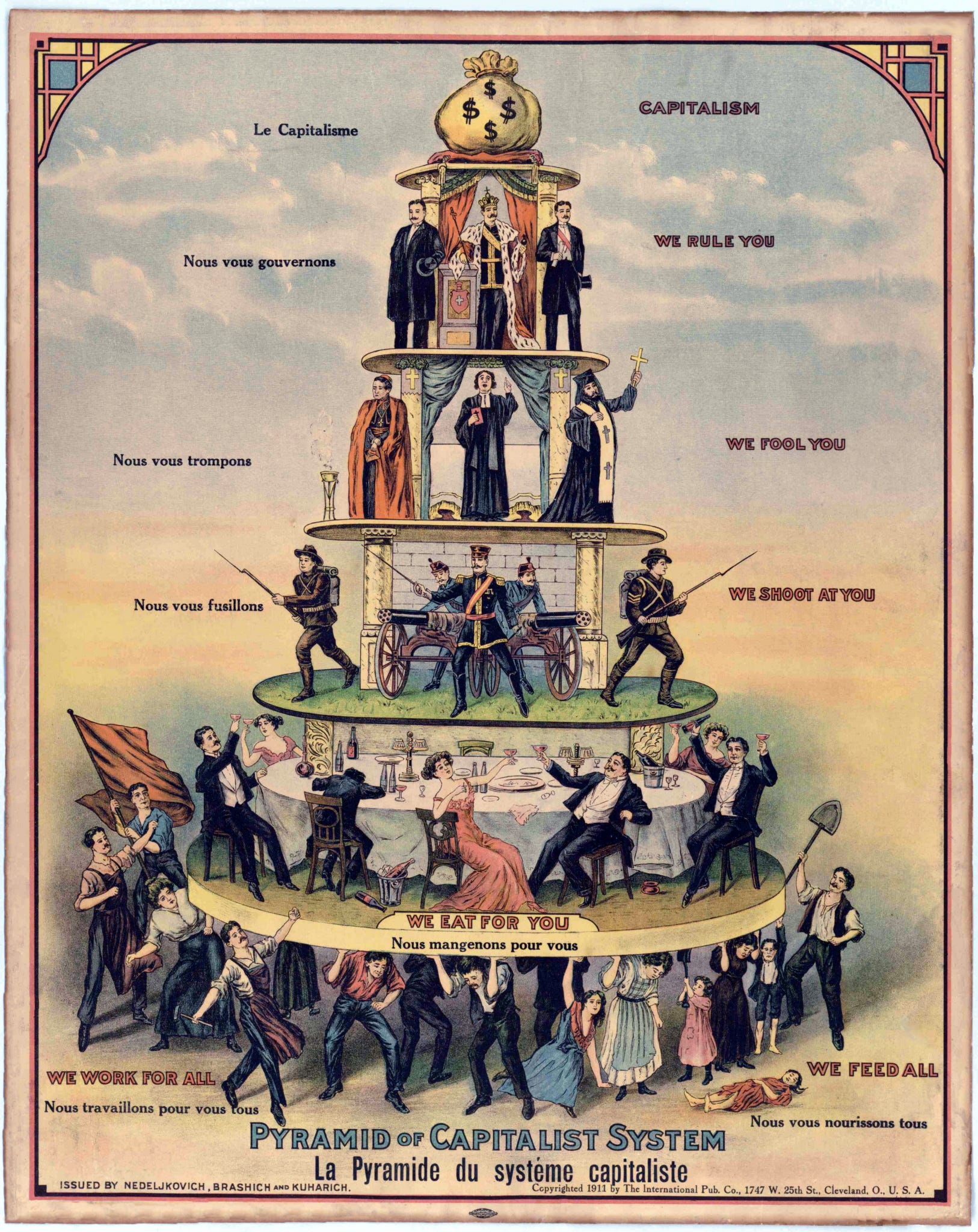
It’s easy to dunk on LinkedIn. There are times when I will polish every word of a post that points to a deep yearning for our labor in climate to feel spiritually meaningful, and for that yearning not to be corrupted by commercial pressures of sucking up to companies whom our conscience commands us to jeer at, challenge, or at the very least not believe. It will get eighty impressions.
Then I will see a post akin to: “I went to a conference and it was good. I learned that we need more demand in carbon markets.” And the response will somehow be this:
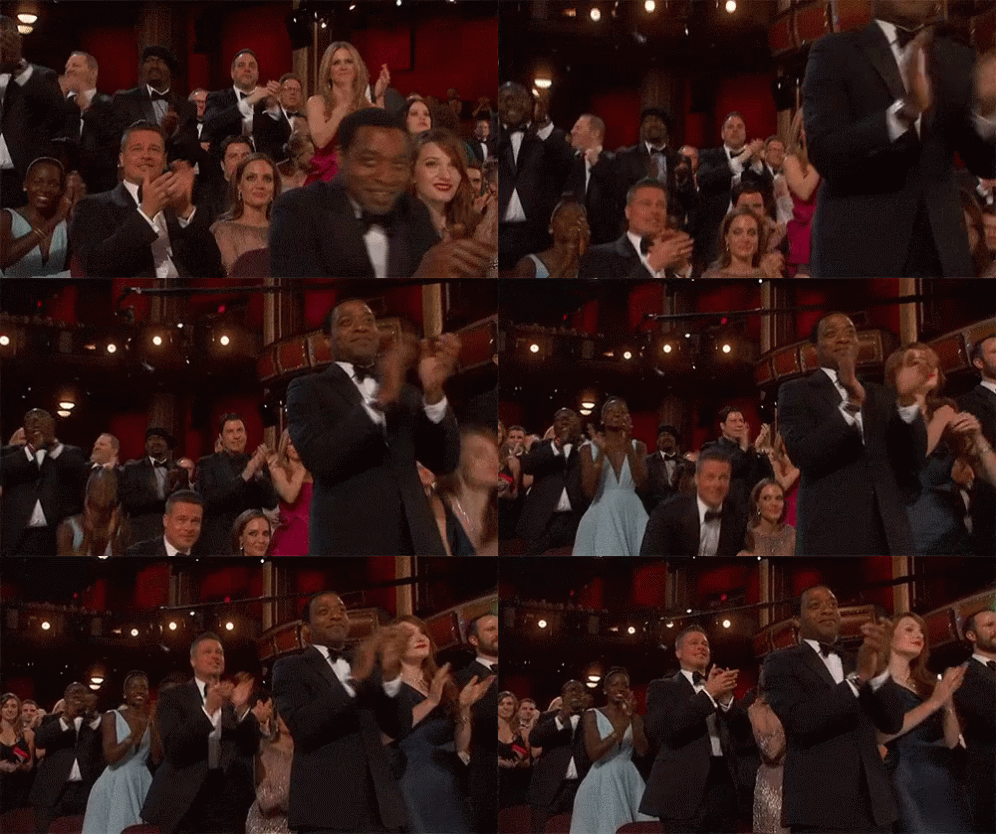
My theory is that LinkedIn rewards banal business banter because it’s bad for business. The unstated ideology (but I repeat myself) of LinkedIn is that any business is basically good so long as it is doing business, and to challenge the fundamental wisdom of anyone’s job or company as a whole is disruptive and maybe just not a welcome part of polite society. You wouldn’t show up at your company All Hands and openly wonder if your company is on balance, at least not evil, would you? That might throw the entire symbolic order into question.
The performativity that LinkedIn rewards has a surreal Potemkin Village feel to it. The deeply unsettling foundational problems of humanity don’t exist, but if they do exist they are likely solvable by upwardly mobile entrepreneurs with the gumption to become the trillionaires of tomorrow. There’s not really any bad news, except maybe in the sense that the stock market goes up or down and jobs are created or destroyed but it’s all within normal parameters. Are those “normal” parameters good, wise, healthy, or again—at least not actively evil? I suspect LinkedIn would consider it impolite to inquire.
There’s something so deeply funny and bizarre about what we grow accustomed to. Any society has its rules that one takes for granted and builds on. If you start to ask too many questions at that layer, it gets weird. Leave the symbolic order alone!
I may as well let you read the submission that jogged all of this loose for me…
Submissions
Here is this week’s singular submission that is being published:
People often joke that there are more intermediaries than buyers in this industry. It’s not far off being true and as demand continues to flatline the dog that hasn’t barked is that almost none of those intermediaries have called it a day. It seems clear that the majority of them are now zombies. Either staggering on to spend all their remaining VC cash with no prospect of raising again. Or worse, cutting headcount down to a skeleton crew whose sole remaining purpose is to invoice their two repeat customers, post thought leadership on LinkedIn, and attend conference dinners holding court as the “buyer” guest of honour amidst a sea of desperate project developers.
Class and status on the climate conference circuit
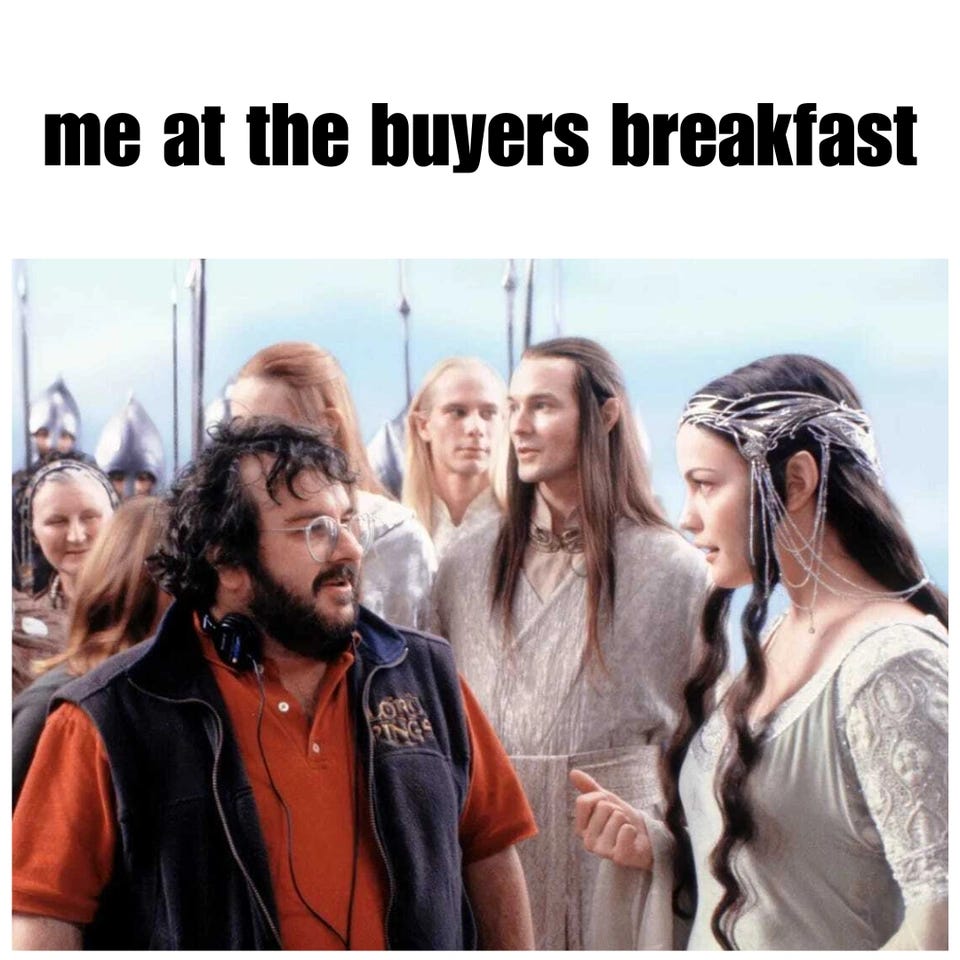
One of the reasons why this meme did well on LinkedIn recently is that I think people relate to the status difference of going before those with prestigious jobs whose decisions radically impact the trajectory of one’s career and company. Well-paid, comfortable people that everyone chases around trying to make a deal, who then get to pick from while most of the chasers wonder what in the world they are supposed to do to keep going.
So while this post points specifically to intermediaries (and it’s a tough line of work running a transaction fee business where most of the biggest transactions do not pass through intermediaries), I chose to riff on some of observations of power and status that I suspect many people reading may have felt at the very least, subconsciously. Now that it’s risen to conscious thought, are you better off? No, but did poking at our symbolic order help in some way? Oh, it just made you angry? Hmm. Perhaps the anger is true, and maybe that’s something we could explore with some submissions. Here’s the info on that, and thanks for reading and listening.
Thank you for listening to and reading Climate Workers Anonymous. Subscribe to Substack below, and be sure to subscribe in whichever podcast app you use. An amazing rating and review on those podcast apps does a world of good. Would you please do that for me now? Here’s Apple Podcasts, Spotify, and YouTube.
If you’d like submit your anonymous hopes, fears, or experiences to Climate Workers Anonymous, you can use this Tally survey or email climateworkersanonymous[at]protonmail.com, though I believe the Tally survey is more secure. Do not communicate anything you wouldn’t want a hacker to have access to, including an email address that could be linked to you if you email the account on Protonmail.
Full Transcript
Ross Kenyon: Hello, welcome to Climate Workers Anonymous. This is Ross Kenyon. I am the curator of Climate Workers Anonymous. I’ve worked in carbon dioxide removal and climate tech for about a decade. This is a show where people can share their real feelings about working in climate, which is often very different from what is shared on LinkedIn. LinkedIn has a strong booster-ish feel. This show does not. It’s either very sincere hope or massive frustration that is hard to say out loud without harming one’s career.
I’m going to do a really short episode today. I’m wondering how that will be received. Put a new thought in someone’s head and then you’re off doing something else. And this submission is definitely not LinkedIn booster-ish. I will editorialize in the most minor way possible by saying that. Here is the only submission from this week that I will read.
People often joke that there are more intermediaries than buyers in this industry. True, and as demand continues to flatline, the dog that hasn’t barked is that almost none of those intermediaries have called it a day. It seems clear that the majority of them are now zombies, either staggering on to spend all their remaining VC cash with no prospect of raising again, or worse, to a skeleton crew whose sole remaining purpose is to invoice their two repeat customers, post thought leadership on LinkedIn, and attend conference dinners holding court as the buyer, guest of honor, amidst a sea of desperate project developers.
End of submission. If you like what’s happening with this show, would love some feedback, comment on LinkedIn or on Substack. Substack is primarily where this publication is active. I usually do some writing in addition to whatever the submissions were about that week. You’re going to get the most out of this by joining on Substack. So the link is in the show notes if you’d like to do that.
There’s also a link if you’d like to submit your own stories, experiences, feelings, anything that relates to climate in this kind of way. I’d love to read them for you and publish your words. They’re anonymous takes. They’re unverified, so I’m not tracking down information to corroborate these stories.
Thanks for listening. Great rating and review on your podcast apps, following on LinkedIn or Substack is very much appreciated. And thanks so much for listening.


